

The Rise of Home Trials: How At-Home Testing is Reshaping Furniture Retail
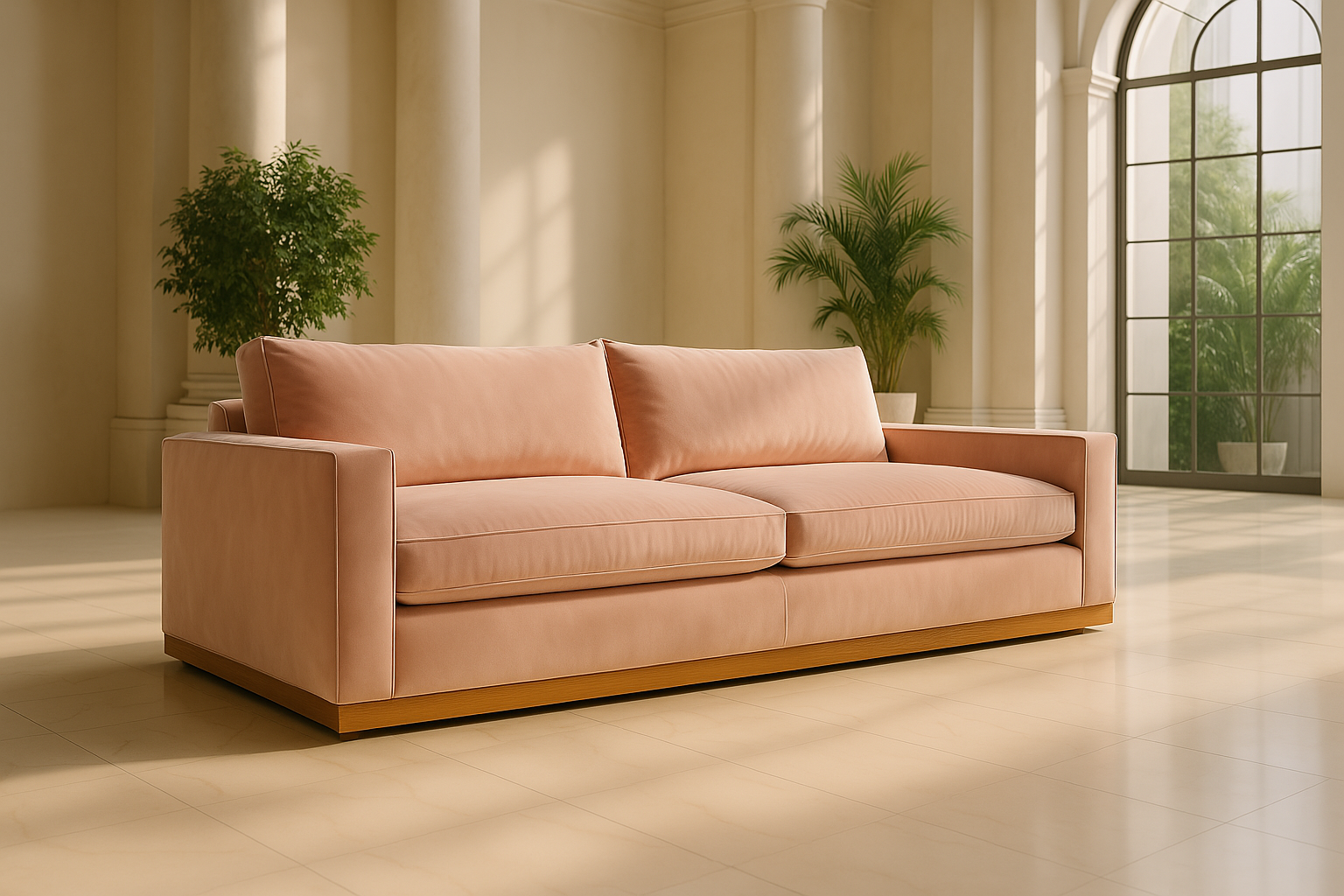
Dreamsofa Alton Sofa
The underlying shift is well documented: a growing share of furniture purchases now begins, and increasingly ends, online, with buyers selecting pieces from photographs, dimension charts, and reviews rather than showroom visits. That shift collides with a stubborn fact about seating in particular: comfort is difficult to communicate remotely. Fabric texture, seat firmness, cushion depth, and how a piece actually feels after an hour — none of it transmits through a product page. "A photo can tell you whether you'll like looking at a sofa. It cannot tell you whether you'll like living on it," said a DreamSofa spokesperson. "Every online furniture seller has that gap. The trial period is how honestly a company chooses to close it."
Why the First Week Is the Wrong Test
DreamSofa says the length of a trial matters more than its existence, because short trial windows quietly test the wrong thing. Within the first days of ownership, a buyer is evaluating novelty: the piece is new, the household is careful with it, and initial impressions dominate. The judgments that actually predict long-term satisfaction — whether the seat depth suits how the household genuinely sits, whether the fabric handles real cleaning, whether the firmness that felt right on day one still feels right after a month of movie nights, whether the configuration works once daily routines resume — emerge over weeks, not days. A 100-day window, the company says, is long enough to carry a purchase through an ordinary season of use: guests hosted, spills cleaned, furniture rearranged, opinions formed and revised. Return decisions made in that window reflect the product; return decisions forced within a 14-day window mostly reflect buyer anxiety, in both directions.
Trials Discipline the Manufacturer, Not Just Reassure the Buyer
The company argues the more interesting effect of a long trial runs in the other direction: it changes the seller's incentives. A manufacturer offering a two-week return window can afford a gap between how furniture presents in photographs and how it performs in a living room, because the window closes before the gap fully reveals itself. A manufacturer offering a hundred days cannot. Every specification decision — foam density, suspension quality, frame construction, fabric durability — is made knowing the customer holds a no-questions exit for more than three months of real use. "A long trial makes overpromising expensive," the spokesperson said. "We consider that a feature. The trial doesn't just protect the buyer from us — it protects us from the temptation every furniture marketer faces, which is to sell the first sit instead of the thousandth."
DreamSofa notes that this discipline compounds with its made-to-order model. Because each piece is built individually rather than pulled from warehouse stock, a returned piece cannot simply be restocked and reshipped — which means the company's economics depend directly on getting orders right the first time. That dependency, it says, is why it invests in pre-purchase accuracy tools rather than treating returns as a cost of doing business: physical fabric swatches shipped before ordering, published construction specifications, dimension-by-dimension guidance through its FlexForm sizing process, and its DreamStudio visualization tools that let buyers evaluate a proposed piece against their actual room. The trial is the safety net; the goal is for as few customers as possible to need it.
What Buyers Should Read Before Trusting a Trial
Because trial policies have become a competitive checkbox across online furniture, DreamSofa's overview includes a checklist for evaluating them, applicable to any seller. Buyers should confirm the trial's actual length and when the clock starts — delivery date versus order date can differ by weeks for made-to-order goods. They should check whether returns during the trial incur restocking fees, return shipping charges, or original-delivery clawbacks, any of which can turn an advertised "free trial" into a several-hundred-dollar decision. They should confirm whether custom or made-to-order pieces are covered at all, since many sellers exclude them entirely. And they should note what condition requirements apply — a trial that voids on ordinary signs of use is a trial that cannot legally be used as intended. DreamSofa says its own trial covers its made-to-order pieces and that it publishes the policy terms in full, and it encourages buyers to hold every seller, itself included, to that standard of specificity.
The Trial and the Warranty Are the Same Argument
The company frames the 100-day trial and its lifetime frame warranty as two ends of a single claim about time. The trial addresses the first hundred days, when the question is whether the piece suits the household; the warranty addresses the decades after, when the question is whether the construction holds. A seller confident in one but not the other, DreamSofa argues, is telling buyers something: a long trial with a short warranty suggests furniture pleasant at first and not built to last, while a long warranty with a stingy trial suggests a company confident in its frames but unwilling to stand behind fit and comfort. Offering both, the company says, is only economically survivable for a manufacturer whose return rates and warranty claims are genuinely low — which is why it considers the pairing itself, more than either policy alone, the meaningful signal for buyers comparing sellers they cannot visit in person.
What Reviews Can't Tell You — and What Returns Teach
DreamSofa also cautions buyers against treating review volume as a substitute for a trial, for a structural reason: most furniture reviews are written in the first weeks of ownership, inside the novelty window the company identifies as the least predictive period of the product's life. A five-star review posted on delivery day and a sofa sagging in year three are routinely the same purchase. The trial exists precisely because early impressions and long-term satisfaction diverge — and the company says the same logic shapes what it does with the returns it does receive. Every trial return is logged against its specification: which fabric, which firmness, which dimensions, and the customer's stated reason. Patterns in that data feed directly back into the company's pre-purchase guidance — adjusting which firmness it recommends for which use cases, or flagging where its photography under- or over-represents a fabric's texture. A trial program run honestly, the company argues, is a continuous product-research instrument that warehouse retail, with its anonymous stock and closed feedback loop, structurally lacks.
About DreamSofa
DreamSofa is a direct-to-consumer custom furniture manufacturer specializing in made-to-order sofas, sectionals, modular seating systems, and sleeper sofas built on kiln-dried hardwood frames. Every piece is covered by a 100-day home trial and a lifetime frame warranty, with fabric swatches and visualization tools available before purchase. More information is available at www.DreamSofa.com.
Media Contact DreamSofa Media Relations press@dreamsofa.com
This press release describes DreamSofa's own trial and warranty policies and general observations about online furniture retail. Buyers should review any seller's published policy terms, including DreamSofa's, before purchase.
Maria Gonzalez
MGP
email us here
Legal Disclaimer:
EIN Presswire provides this news content "as is" without warranty of any kind. We do not accept any responsibility or liability for the accuracy, content, images, videos, licenses, completeness, legality, or reliability of the information contained in this article. If you have any complaints or copyright issues related to this article, kindly contact the author above.
